Prophet Harun (AS) – A Sacred Site of Islamic Heritage
Prophet Harun (AS), known as Aaron in the Bible, was the brother of Prophet Musa (AS) and the helper Allah appointed to support him in his mission to free the Children of Israel from Pharaoh. His final resting place, known as the Maqam of Prophet Harun (AS), is traditionally located on Jabal Harun (Mount Aaron) near the ancient city of Petra in Jordan. This guide explains who Harun (AS) was in the Quran, what the site is, and how to visit it.
Key Points
- Prophet Harun (AS) was the brother and helper of Prophet Musa (AS), appointed by Allah as his minister.
- Musa (AS) asked for him because Harun was more eloquent in speech (Qur’an 28:34).
- Musa (AS) left Harun in charge of his people when he went to the mountain (Qur’an 7:142).
- His maqam is traditionally on Jabal Harun near Petra in Jordan, about 1,350 m above sea level.
- The white-domed shrine was restored under the Mamluks in 1320 and reuses an earlier Byzantine monastery.
- Jabal Harun stands in the Petra area, a UNESCO World Heritage Site since 1985.
- Visits usually involve a 2-3 hour hike from Petra, so plan for heat, water and modest clothing.
Who Was Prophet Harun (AS)?
Prophet Harun (AS) was the elder brother of Prophet Musa (AS). When Allah commanded Musa (AS) to confront Pharaoh, Musa (AS) asked Allah to appoint Harun (AS) as his helper, because Harun (AS) was more eloquent in speech. The Quran records that request in Surah Ta-Ha:
Arabic:
وَاجْعَل لِّي وَزِيرًا مِّنْ أَهْلِي، هَارُونَ أَخِي، اشْدُدْ بِهِ أَزْرِي، وَأَشْرِكْهُ فِي أَمْرِي
Transliteration: Waj’al lee wazeeran min ahlee, Haaroonu akhee, ushdud bihi azree, wa ashrikhu fee amree.
Translation: And appoint for me a minister from my family – Aaron, my brother. Increase through him my strength. And let him share my task. (Saheeh International)
In another verse, Musa (AS) explains the reason himself:
Arabic:
وَأَخِي هَارُونُ هُوَ أَفْصَحُ مِنِّي لِسَانًا فَأَرْسِلْهُ مَعِيَ رِدْءًا يُصَدِّقُنِي ۖ إِنِّي أَخَافُ أَن يُكَذِّبُونِ
Transliteration: Wa akhee Haaroonu huwa afsahu minnee lisaanan fa-arsilhu ma’iya rid’an yusaddiqunee, innee akhaafu an yukadh-dhiboon.
Translation: And my brother Aaron is more fluent than me in tongue, so send him with me as support, verifying me. Indeed, I fear that they will deny me. (Saheeh International)
Harun (AS) was not a secondary figure in the story. He shared the mission: he went with Musa (AS) to Pharaoh, he spoke to the people, and when Musa (AS) went to the mountain to receive the revelation, he left Harun (AS) in charge of his people:
Arabic:
وَقَالَ مُوسَىٰ لِأَخِيهِ هَارُونَ اخْلُفْنِي فِي قَوْمِي وَأَصْلِحْ وَلَا تَتَّبِعْ سَبِيلَ الْمُفْسِدِينَ
Transliteration: Wa qaala Moosaa li-akheehi Haaroon: ukhlufnee fee qawmee wa aslih wa laa tattabi’ sabeelal-mufsideen.
Translation: And Moses said to his brother Aaron, Take my place among my people, do right [by them], and do not follow the way of the corrupters. (Saheeh International)
The Quran presents Harun (AS) as a prophet in his own right, a brother, a helper and a deputy – not as a priest of another tradition. That is the role this guide follows.
What Happened to Harun (AS)?
According to Islamic tradition, Harun (AS) passed away on Jabal Harun while the Israelites were wandering in the desert, before they entered the Holy Land. The Quran itself does not name the mountain where he died, and the identification of Jabal Harun with his resting place comes from tradition and from the Biblical account, in which Aaron dies on Mount Hor. Readers should know the difference: the Quran establishes Harun’s prophethood, his brotherhood with Musa (AS), and his role as helper and deputy; the exact burial place is a matter of tradition, not of a Qur’anic verse. The Bible mentions Aaron’s death on Mount Hor, which is believed to be the same Jabal Harun, and pilgrims from the Abrahamic faiths visit the site for spiritual reflection.
Where Is the Maqam of Prophet Harun (AS)?
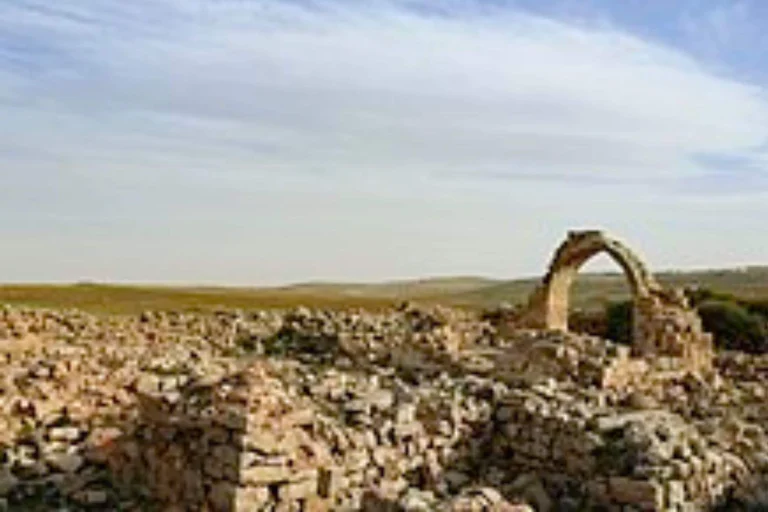
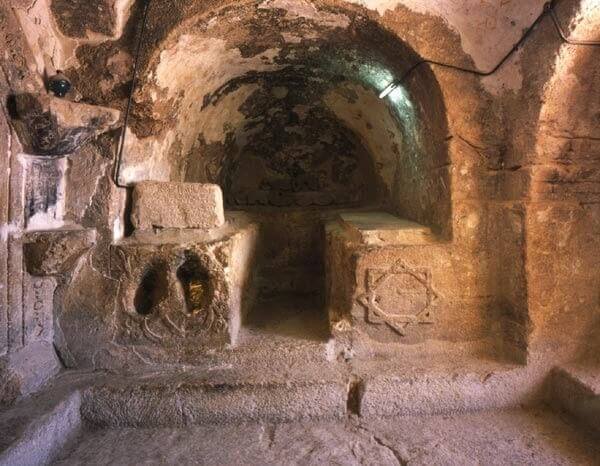
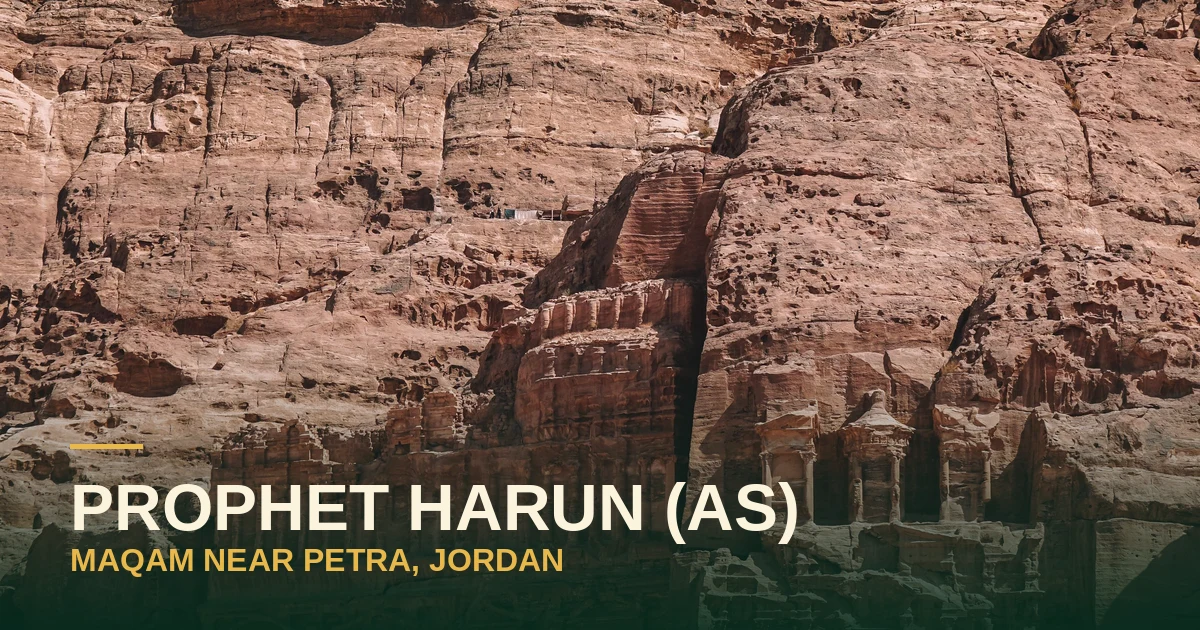
The Maqam of Prophet Harun (AS) is situated on Jabal Harun (Mount Aaron), near the ancient city of Petra in Jordan. The mountain rises about 1,350 metres above sea level and is a prominent landmark in the region. The site includes a white-domed shrine and a small mosque adjacent to the tomb, with panoramic views of Petra and the surrounding desert. The shrine was restored under the Mamluk sultan al-Nasir Muhammad in 1320 and reuses an earlier Byzantine monastery on the site, so its history spans more than one era. Jabal Harun stands in the Petra area, which has been a UNESCO World Heritage Site since 1985 – a reminder that the mountain is part of one of the world’s great archaeological landscapes, not a standalone monument.
Why Is the Site Significant?
For Muslims, the significance is simple: Harun (AS) is a prophet of Allah, the brother and helper of Musa (AS), and the site honours his memory. For Christians and Jews, the site connects with the Biblical Aaron, whose death on Mount Hor is part of their own scripture. For visitors of any background, the climb to the shrine is a journey through the landscape of the prophets’ story – the same desert the Children of Israel wandered in. The site is a place of reflection, not of ritual: there is no prescribed worship attached to visiting a prophet’s maqam, and visitors should respect the sanctity of the place with modest dress and quiet conduct.
How to Visit the Maqam of Prophet Harun (AS)?
The site is accessible by a 2-3 hour hike from Petra’s main trail, and visitors can also take a guided tour for historical insight. The best time to visit is early morning or late afternoon to avoid extreme heat; spring (March-May) offers pleasant weather. Wear comfortable hiking shoes, carry water and sun protection, and respect the sanctity of the site – modest clothing is recommended. Plan for a full morning or afternoon: the hike, the shrine, and the views together take several hours, and the desert sun is strong even in the cooler months. Check local guidance in Petra before setting out, as trail access and opening arrangements can change.
Conclusion
The Maqam of Prophet Harun (AS) is more than a historic site – it is a spiritual landmark that connects believers to the legacy of a revered prophet. Whether for religious devotion or historical exploration, a visit to Jabal Harun offers a profound experience. By preserving and promoting awareness of such sacred sites, we honour the rich heritage of the prophets and ensure their stories continue to inspire generations.
Frequently Asked Questions
Who was Prophet Harun (AS)?
Prophet Harun (AS) was the brother and helper of Prophet Musa (AS), appointed by Allah as his minister and deputy. The Quran records Musa asking Allah to appoint Harun because he was more eloquent in speech (Quran 20:29-32 and 28:34).
What was Harun’s role in Musa’s mission?
He shared the mission: he went with Musa to Pharaoh, spoke to the people, and was left in charge of the Israelites when Musa went to the mountain to receive the revelation (Quran 7:142). The Quran presents him as a prophet in his own right, a brother, a helper and a deputy.
Where is Prophet Harun’s maqam?
His maqam is traditionally on Jabal Harun (Mount Aaron) near Petra in Jordan, about 1,350 metres above sea level. The Quran does not name the mountain as his burial place; the identification comes from tradition and from the Biblical account of Aaron’s death on Mount Hor.
How long is the hike to the shrine?
About 2-3 hours from Petra’s main trail. Plan for a full morning or afternoon, wear comfortable hiking shoes, carry water and sun protection, and check local guidance in Petra before setting out.
Is Jabal Harun a UNESCO site?
Jabal Harun itself is not individually inscribed. It stands in the Petra area, which has been a UNESCO World Heritage Site since 1985, so the mountain is part of one of the world’s great archaeological landscapes, not a standalone monument.
What should visitors know before going?
Visit in the early morning or late afternoon to avoid extreme heat; spring (March-May) offers pleasant weather. Wear comfortable hiking shoes, carry water and sun protection, and dress modestly. There is no prescribed worship attached to visiting a prophet’s maqam, so respect the sanctity of the place with quiet conduct.
Related Reading
- Dua Yunus: Arabic, Meaning, Benefits & Quran Reference
- Dua For Rizq: Authentic Duas For Sustenance And Provision
- Surah Yusuf Benefits & Lessons: 12th Surah Explained
- Hajj 2027: Ultimate Guide to Dates, Registration & Preparation
- How To Perform Umrah: Step-by-Step Guide
- Four Kinds Of Prayers (Salah) In Islam
Sources
Sources: The Holy Qur’an; UNESCO; Jabal Haroun Project