Waqia Karbala: Battle of Karbala, History & Lessons
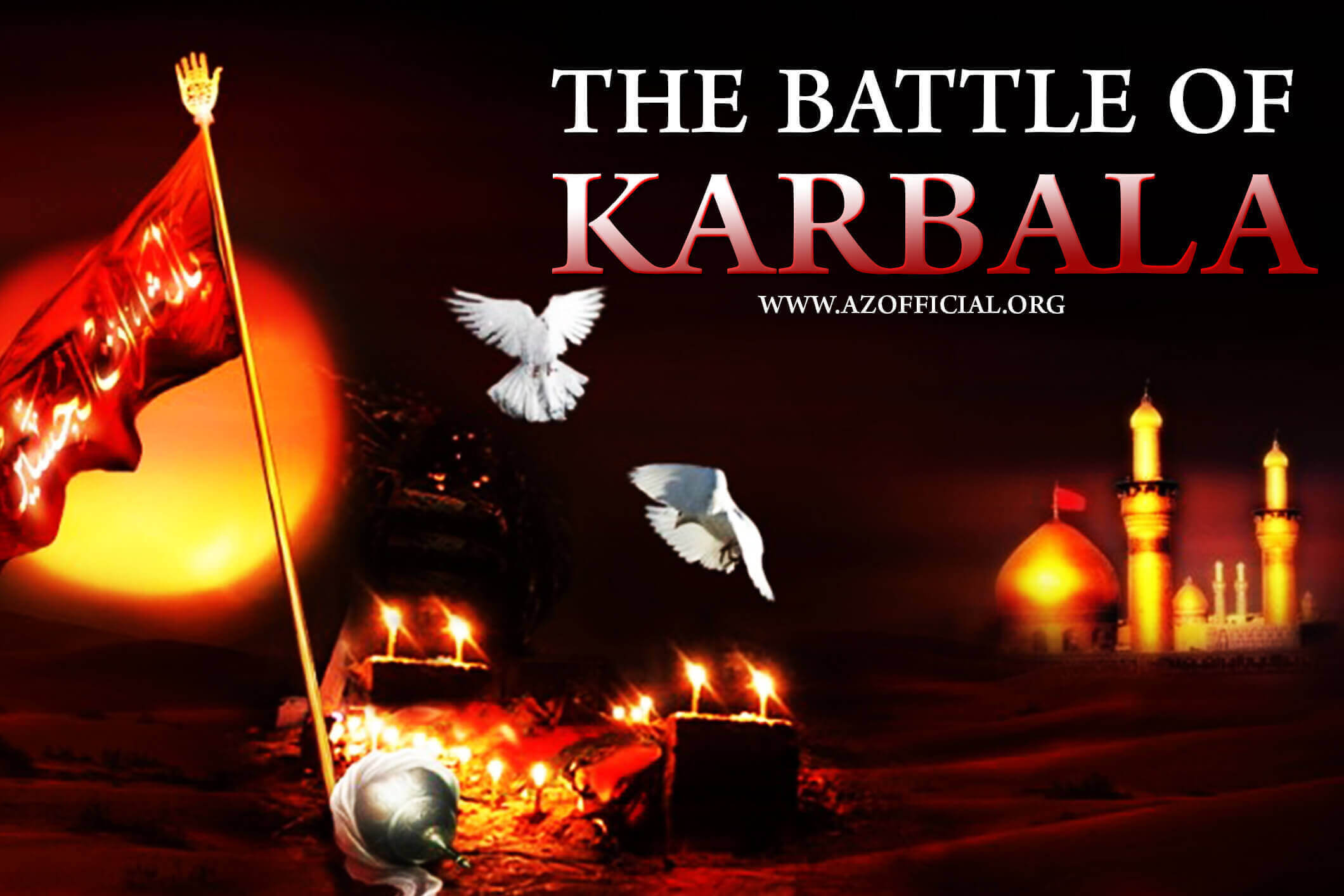
The Waqia Karbala (واقعہ کربلا) is one of the most significant and tragic events in Islamic history. The Battle of Karbala took place on 10 Muharram 61 AH (680 CE), when Imam Hussain ibn Ali (RA), the grandson of Prophet Muhammad ﷺ, and a small group of his family members and companions were killed in Karbala, Iraq.
Imam Hussain (RA) was the son of Ali ibn Abi Talib (RA) and Fatimah al-Zahra (RA), the daughter of the Prophet Muhammad ﷺ.
The events of Karbala have a particularly profound place in Shia Islam. At the same time, Muslims generally recognize Imam Hussain (RA) as a beloved member of the Prophet’s ﷺ family and honor his sacrifice.
The story of Karbala carries important lessons about faith, courage, sacrifice, patience, justice, and standing firm during hardship.
Important note: Historical reports about some details of Karbala differ in wording, numbers, and chains of transmission. This article focuses on the major events that are broadly established in Islamic historical sources and avoids presenting disputed details as certain facts.
What Was the Waqia Karbala?
The Waqia Karbala refers to the events that culminated in the Battle of Karbala on 10 Muharram 61 AH.
Imam Hussain (RA) did not accept the political situation that followed the death of Muawiyah ibn Abi Sufyan. After Muawiyah’s death, his son Yazid ibn Muawiyah became ruler, and Imam Hussain (RA) did not give him the allegiance that was sought from him.
Meanwhile, people in Kufa sent letters inviting Imam Hussain (RA) to come to the city and offering their support.
Imam Hussain (RA) eventually traveled toward Iraq with members of his family and companions. Events changed dramatically when the support expected in Kufa did not materialize, and Imam Hussain’s group was prevented from reaching the city.
They were eventually stopped at Karbala, where the confrontation took place.
Historical Background: What Led to the Battle of Karbala?
To understand Karbala, it is important to understand the political situation after the death of Muawiyah ibn Abi Sufyan in 60 AH (680 CE).
Yazid became ruler after his father’s death and sought allegiance from prominent figures, including Imam Hussain (RA).
Imam Hussain (RA) did not give his allegiance to Yazid.
At the same time, numerous letters were sent from the people of Kufa asking Imam Hussain (RA) to come to Kufa.
Why Did Imam Hussain Go Toward Kufa?
The reports about Imam Hussain’s journey show that the situation was complicated by political developments in Kufa.
Imam Hussain (RA) initially sent his cousin Muslim ibn Aqil to assess the situation and communicate with the people of Kufa.
Muslim ibn Aqil initially received significant support, but the situation changed after Ubayd Allah ibn Ziyad took control of Kufa.
Support for Muslim ibn Aqil collapsed, and he was eventually killed.
By this stage, Imam Hussain (RA) was already traveling toward Iraq.
Imam Hussain’s Journey to Karbala
Imam Hussain (RA) left Makkah with members of his family and companions.
During the journey, he learned of the changing situation in Kufa and the death of Muslim ibn Aqil.
Despite this, the group continued until they encountered forces that prevented them from reaching Kufa.
Imam Hussain (RA) and his companions eventually reached the area of Karbala, where they were surrounded by forces under the command of Umar ibn Sa’d.
The Siege at Karbala
The situation became increasingly difficult for Imam Hussain (RA) and those with him.
Historical accounts describe restrictions on access to water and increasing pressure on the small group.
The exact numbers reported for the opposing forces vary considerably between historical sources. Therefore, it is better not to state a specific figure such as 30,000 as a fact.
What is clear is that Imam Hussain (RA) and his companions were vastly outnumbered.
Ashura: The Day of the Battle of Karbala
The confrontation reached its tragic conclusion on 10 Muharram, 61 AH.
Imam Hussain (RA) and many members of his family and companions were killed.
Among those who were martyred were several members of the Prophet’s ﷺ family.
Imam Hussain (RA)
Imam Hussain (RA) was the grandson of Prophet Muhammad ﷺ and one of the beloved members of the Prophet’s family.
The Prophet ﷺ said:
“Hussain is from me and I am from Hussain. Allah loves whoever loves Hussain.”
Jami` at-Tirmidhi 3775
The martyrdom of Imam Hussain (RA) at Karbala became one of the most painful events remembered in Islamic history.
Ali Akbar
Ali ibn Hussain, commonly known as Ali Akbar in accounts of Karbala, was among those killed alongside Imam Hussain (RA).
Historical accounts differ regarding some details of the individuals who participated and the precise sequence of events.
Abbas ibn Ali
Al-Abbas ibn Ali, the son of Ali ibn Abi Talib (RA), was also killed at Karbala.
He is especially remembered in Shia tradition for his loyalty to Imam Hussain (RA).
Other Members of the Family and Companions
Several members of Imam Hussain’s family and his companions were also killed during the battle.
Because historical reports differ regarding some names, ages, and individual details, it is important to distinguish well-established events from later or disputed narratives.
What Happened After the Battle of Karbala?
After Imam Hussain (RA) and the other men with him were killed, members of his family who survived were taken into captivity.
Among the survivors was Ali ibn Hussain Zayn al-Abidin, who later became an important figure in Islamic history.
Zaynab bint Ali (RA), the sister of Imam Hussain (RA), is also remembered for her strength and speeches following the tragedy.
The aftermath of Karbala continued to influence political and religious developments in the Muslim world.
Why Is Karbala Important in Islam?
Karbala has deep historical and religious significance, particularly because Imam Hussain (RA) was the grandson of Prophet Muhammad ﷺ.
The Prophet ﷺ showed great love for his family.
Allah says in the Qur’an:
“Say, ‘I do not ask you for any reward for this message except love for my near relatives.’”
Qur’an 42:23
Read Qur’an 42:23 on Quran.com
Muslims should therefore recognize the honor and status of the Prophet’s family while approaching historical accounts with care and respect.
Lessons From the Battle of Karbala
The events of Karbala provide many lessons.
1. Stand Firm for What Is Right
Imam Hussain’s (RA) stand is remembered as an example of refusing to compromise principles under extreme pressure.
2. Patience During Hardship
The events of Karbala involved immense suffering and loss.
They remind Muslims of the importance of sabr (patience) during difficult circumstances.
3. Sacrifice
Imam Hussain (RA), members of his family, and his companions made enormous sacrifices.
Their story reminds Muslims that faith can require courage and perseverance.
4. Respect for the Prophet’s Family
Imam Hussain (RA) was the grandson of Prophet Muhammad ﷺ.
Loving and respecting the Ahl al-Bayt, the family of the Prophet ﷺ, is an important part of Islamic tradition.
5. Avoiding Oppression
The tragedy of Karbala is also remembered as a warning against oppression, injustice,e and abuse of power.
How Do Muslims Remember Karbala?
Different Muslim communities remember Karbala in different ways.
Shia Muslims
For Shia Muslims, Muharram and the events of Karbala hold profound religious and emotional significance. Majalis, mourning gatherings, sermons, and other forms of remembrance are commonly held.
Sunni Muslims
Sunni Muslims also deeply respect Imam Hussain (RA) and recognize the tragedy of his martyrdom.
The Day of Ashura also has a distinct place in Sunni Islamic practice because of the fasting associated with Ashura.
The Prophet Muhammad ﷺ said:
“Fasting the day of Ashura, I hope, will be an expiation for the preceding year.”
Sahih Muslim 1162
The Prophet ﷺ also intended to fast the ninth day along with Ashura.
Sahih Muslim 1134
Thus, Muslims should distinguish between the historical remembrance of Karbala and the established Sunnah concerning fasting on Ashura.
When Did the Battle of Karbala Happen?
The Battle of Karbala took place on:
10 Muharram 61 AH
This corresponds to 680 CE.
The event took place in the area of Karbala in present-day Iraq.
Who Was Imam Hussain (RA)?
Imam Hussain ibn Ali (RA) was:
- The grandson of Prophet Muhammad ﷺ
- The son of Ali ibn Abi Talib (RA)
- The son of Fatimah al-Zahra (RA)
- The younger brother of Hasan ibn Ali (RA)
- A member of the Prophet’s ﷺ household
His position as a member of the Prophet’s family gives the events surrounding his death exceptional importance in Islamic history.
Who Was Yazid ibn Muawiyah?
Yazid ibn Muawiyah became ruler after the death of his father, Muawiyah ibn Abi Sufyan, in 60 AH.
His rule and his responsibility for the events surrounding Karbala have been discussed differently by Muslim scholars and historians.
For this reason, it is better to distinguish between:
- The historical fact that Imam Hussain (RA) was killed at Karbala during Yazid’s rule.
- Historical and theological debates concerning Yazid’s personal responsibility and status.
Muslims should avoid presenting disputed historical judgments as universally agreed facts.
Did Imam Hussain (RA) Fight for Power?
It is important not to reduce the events of Karbala to a simple struggle for political power.
Imam Hussain (RA) rejected the allegiance being sought from him and later traveled toward Kufa after receiving invitations from its people.
The historical sources provide different details about his intentions and the political circumstances.
Therefore, it is more accurate to describe Karbala as a complex political and historical conflict rather than assigning motives that cannot be established with certainty.
Is Karbala Mentioned in the Quran?
No.
The Qur’an does not specifically mention the Battle of Karbala or Imam Hussain (RA) by name.
The historical knowledge of Karbala comes primarily from hadith, historical works, and reports transmitted by early Muslim historians, with varying levels of reliability.
This distinction is important when discussing Islamic history.
Is There a Hadith About Imam Hussain’s Martyrdom?
There are narrations concerning Imam Hussain (RA), his status and the Prophet’s ﷺ love for him.
For example, the Prophet ﷺ said:
“Hussain is from me and I am from Hussain.”
Jami` at-Tirmidhi 3775
However, individual reports containing detailed predictions about the exact events of Karbala should be evaluated according to their chains and scholarly assessments rather than automatically being described as authentic.
What Can Muslims Learn From Karbala?
The tragedy of Karbala reminds Muslims of several timeless principles:
- Remain patient during hardship.
- Stand against injustice.
- Do not compromise fundamental principles for worldly gain.
- Respect the family of Prophet Muhammad ﷺ.
- Remember that worldly power is temporary.
- Turn to Allah during times of difficulty.
- Avoid spreading historically weak or fabricated reports.
The most important lesson is not simply to remember a historical tragedy, but to reflect on faith, patience, justice and accountability before Allah.
Frequently Asked Questions About Waqia Karbala
What is Waqia Karbala?
Waqia Karbala refers to the events surrounding the Battle of Karbala, which took place on 10 Muharram 61 AH (680 CE) and resulted in the martyrdom of Imam Hussain (RA) and many members of his family and companions.
Who was Imam Hussain (RA)?
Imam Hussain (RA) was the grandson of Prophet Muhammad ﷺ, the son of Ali ibn Abi Talib (RA) and Fatimah al-Zahra (RA).
When did the Battle of Karbala happen?
The Battle of Karbala took place on 10 Muharram 61 AH, in 680 CE.
Where did the Battle of Karbala take place?
It took place near Karbala in present-day Iraq.
Why did Imam Hussain go to Kufa?
People in Kufa sent letters inviting Imam Hussain (RA) and promising support. He sent Muslim ibn Aqil to assess the situation before continuing his journey.
Who killed Imam Hussain (RA)?
Imam Hussain (RA) was killed during the Battle of Karbala by forces opposing his group. Historical sources differ regarding the precise identification of the individual who delivered the final blow, so it is better not to state a disputed name as certain without qualification.
How many people died at Karbala?
Historical sources give different numbers. The commonly cited figure of 72 companions is widely known, particularly in Shia tradition, but exact numbers should not be presented as universally established historical fact.
Why is 10 Muharram important?
10 Muharram, known as Ashura, is significant for several reasons. The Prophet ﷺ established fasting on Ashura, and the martyrdom of Imam Hussain (RA) occurred on this day in 61 AH.
Do Muslims fast on Ashura?
Yes. Fasting Ashura is an established Sunnah. The Prophet ﷺ said that fasting Ashura is an expiation for the preceding year’s minor sins, according to the hadith in Sahih Muslim 1162.
What is the significance of Karbala for Muslims?
Karbala is especially significant because Imam Hussain (RA), the grandson of Prophet Muhammad ﷺ, was martyred there. The event is remembered for its lessons concerning sacrifice, patience, faith,h and justice.
Final Thoughts
The Waqia Karbala remains one of the most painful and important events in Islamic history.
On 10 Muharram 61 AH, Imam Hussain ibn Ali (RA), the beloved grandson of Prophet Muhammad ﷺ, was martyred at Karbala along with members of his family and companions.
The tragedy should be remembered with respect, historical honesty, ty and love for the Ahl al-Bayt.
Karbala teaches Muslims about patience during hardship, courage in the face of injustice, sacrifice for one’s principles, and reliance upon Allah.
At the same time, Muslims should be careful when sharing historical stories about Karbala. Not every popular narration has the same level of historical authenticity, so reliable sources should be consulted before attributing specific statements or events to Imam Hussain (RA), the Prophet ﷺ, or other companions and members of the Prophet’s family.
May Allah be pleased with Imam Hussain (RA), honor the Ahl al-Bayt, and grant us the ability to remain firm upon truth, justice, and faith. Ameen.
Sources & References
- Qur’an 42:23 — Quran.com
- Sahih Muslim 1162 — Fasting Ashura
- Sahih Muslim 1134 — Fasting the 9th and 10th
- Jami` at-Tirmidhi 3775 — “Hussain is from me”
- Battle of Karbala — Encyclopaedia Britannica
- Karbala — Encyclopaedia Iranica
Read More
Karbala: Islamic Community & Lessons
Ashura: Meaning, History, Fasting & Hadith
Muharram: Important Dates and Events