Surah Al-Muzzammil: Meaning, Virtues and Lessons
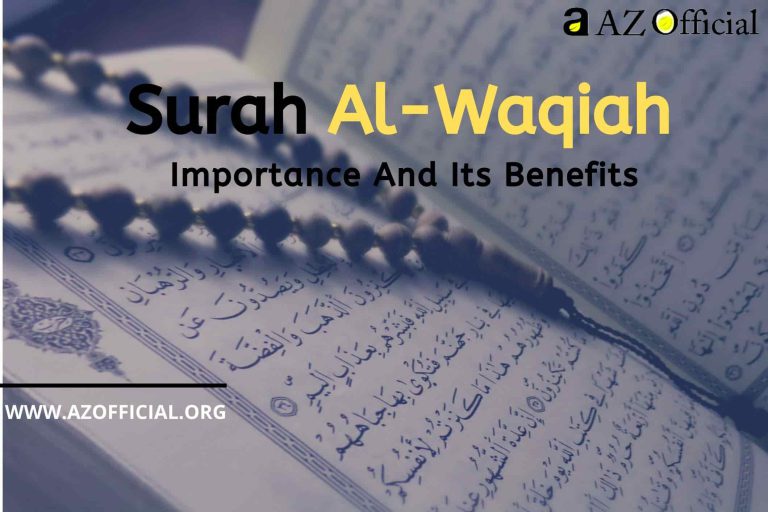
Surah Al-Muzzammil: Meaning, Virtues and Lessons. Surah Al-Muzzammil is the 73rd chapter of the Qur’an, revealed in Makkah, and it takes its name from its opening address to the Prophet, peace be upon him, as the one wrapped in garments. At its heart, the surah calls for night prayer, patient and measured recitation of the Qur’an, remembrance of Allah, and steadfast patience in the face of opposition. This guide explains what the surah teaches, what virtues are attributed to it in Islamic sources, and what lessons readers can take from it, without promising any worldly outcome.
Key Points: Surah Al-Muzzammil is chapter 73, revealed in Makkah, with 20 verses. Its central commands are night prayer, slow and reflective Qur’an recitation, remembrance of Allah, and patience. Virtues reported about the surah should be understood as attributed reports, not as guarantees of a job, wealth, health or protection. Any specific-count recitation practice some people follow is a personal practice, not a promise, and it is not presented here as a requirement of the surah.
What Is Surah Al-Muzzammil About?
Surah Al-Muzzammil opens with the command to stand in prayer at night, except for a little of it, and to recite the Qur’an in a slow, measured style. The surah then speaks of the weight of the revelation, the command to remember the name of the Lord and devote oneself to Him, and the instruction to be patient with what opponents say and to leave them in a dignified way. Later verses lighten the night-prayer command, acknowledging hardship, illness, travel and striving in Allah’s cause, and they direct believers to establish prayer, give zakah and lend to Allah a good loan. In short, the surah joins worship, patience and social responsibility.
What Does Surah Al-Muzzammil Teach About Night Prayer?
The surah presents night prayer as a time of closeness to Allah, when the heart is more attentive and words are more effective. It does not set night prayer as an unchanging burden: the closing verse recognises that believers have different circumstances and eases the requirement, while still encouraging prayer, charity and good deeds. The lesson is balance — sincere worship, sustained over time, fitted to a person’s capacity, rather than a single night of extreme effort followed by neglect.
What Virtues Are Attributed to Surah Al-Muzzammil?
Classical works on the virtues of the Qur’an, including reports collected and discussed by scholars such as al-Tha’labi and al-Suyuti, attribute various benefits to reciting Surah Al-Muzzammil, and some popular books repeat those reports in stronger, more detailed forms. Those attributed reports are not all of the same strength, and they are not presented in this post as authenticated promises. What is firmly established from the Qur’an itself is the surah’s emphasis on prayer, recitation, remembrance and patience, and those are the lessons a reader can act on with confidence. Anyone repeating a virtue report should attribute it to its source and note its status, rather than stating it as a certainty.
Does Reciting Surah Al-Muzzammil Guarantee a Job?
No. Reciting Surah Al-Muzzammil, or any surah, does not guarantee employment, income or any other worldly outcome. Job-seeking in Islam combines trust in Allah with practical effort: preparing well, applying, learning skills, asking for help, and making dua. Some people follow personal recitation practices, including reciting a surah a set number of times, but those practices are customs some individuals follow, not commands of the surah and not promises of a result. This post therefore does not prescribe a count, a time or a formula for getting a job, and readers should be wary of any claim that does.
How Can You Benefit From Surah Al-Muzzammil in Daily Life?
Read the surah with its meaning in mind, slowly and regularly, and reflect on its commands: set aside time for prayer, even a short night prayer; recite the Qur’an with attention rather than speed; remember Allah during the day; and respond to difficulty with patience and dignity. Combine worship with work and responsibility — the surah itself moves from night prayer to daytime striving, prayer, zakah and good loans. That combination, rather than a secret formula, is the practical lesson of the chapter.
Related reading: our guide to the best dua for headache and fever explains how authentic duas for sickness are understood, and our Jumu’ah preparations guide covers another regular act of worship in the week.
Frequently Asked Questions
What is Surah Al-Muzzammil?
Surah Al-Muzzammil is the 73rd chapter of the Qur’an, revealed in Makkah, with 20 verses. It is named from its opening address to the Prophet, peace be upon him, as the one wrapped in garments.
What does Surah Al-Muzzammil teach?
It teaches night prayer, slow and reflective Qur’an recitation, remembrance of Allah, patience with opposition, and, in its closing verse, a balanced approach to worship, prayer, zakah and good deeds.
Does Surah Al-Muzzammil guarantee a job?
No. No surah guarantees employment or any worldly outcome. Job-seeking combines trust in Allah with practical effort, preparation and dua.
Are the reported virtues of Surah Al-Muzzammil authentic?
Virtues are reported in classical works on Qur’an virtues, but they are not all of the same strength. They should be attributed to their sources and not stated as guaranteed promises.
Is there a set number of times to recite Surah Al-Muzzammil?
The surah itself does not prescribe a fixed count for a worldly result. Some people follow personal recitation practices, but those are customs, not requirements, and this post does not prescribe one.
Sources and References: The Holy Qur’an, Surah Al-Muzzammil; al-Tha’labi; al-Suyuti.