
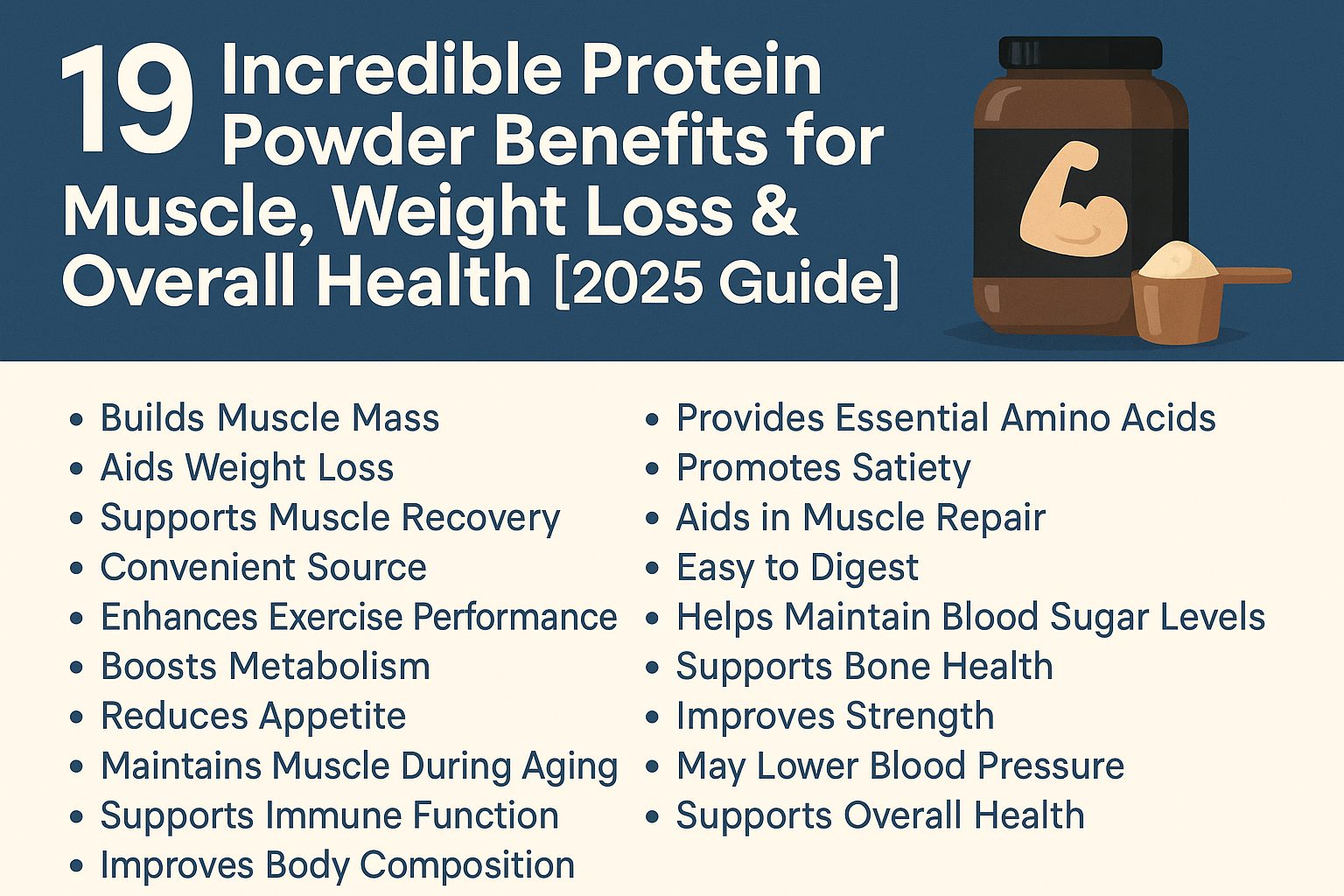
Protein powder has become a staple in modern nutrition—and for good reason. Whether you’re an athlete, a busy professional, or simply looking to improve your diet, the benefits of protein powder are vast and science-backed.
What Is Protein Powder?
Table of Contents
Protein powder is a concentrated source of protein extracted from animal or plant foods. It’s designed to supplement your daily intake and support muscle repair, fat loss, and overall health.
Types of Protein Powders
- Whey Protein (fast-digesting, milk-based)
- Casein Protein (slow-release, milk-based)
- Plant-Based Protein (pea, rice, hemp, soy)
- Egg Protein (egg whites)
- Collagen Protein (supports skin, joints, and connective tissue)
Why It’s So Popular
- Convenient and portable
- Easy to digest
- Affordable per gram of protein
- Customizable flavors and uses
Nutritional Profile of Protein Powders
Protein Content per Scoop
Most powders contain 20–30g of protein per scoop, making it a quick way to meet your daily requirements.
Amino Acids and BCAAs
Complete proteins offer all 9 essential amino acids. Branched-Chain Amino Acids (BCAAs) like leucine, isoleucine, and valine support:
- Muscle repair
- Energy during exercise
- Muscle protein synthesis
Added Nutrients
Many powders also contain:
- Vitamins and minerals (like calcium, iron)
- Digestive enzymes
- Probiotics
Protein Powder for Muscle Growth and Recovery
1. Muscle Protein Synthesis
Protein powder boosts MPS—the key to muscle gain—especially after resistance training.
2. Faster Post-Workout Recovery
Reduces soreness and helps rebuild muscle tissue after intense sessions.
3. Reducing Muscle Soreness
Whey, in particular, can help reduce DOMS (Delayed Onset Muscle Soreness).
Weight Loss and Appetite Control
4. Satiety and Hunger Hormones
Protein increases the feeling of fullness, helping reduce overall calorie intake.
5. Low-Calorie Protein Options
Protein shakes can be under 150 calories while delivering up to 30g protein.
6. Preserving Lean Muscle While Losing Fat
Supports metabolism and prevents muscle loss during a calorie deficit.
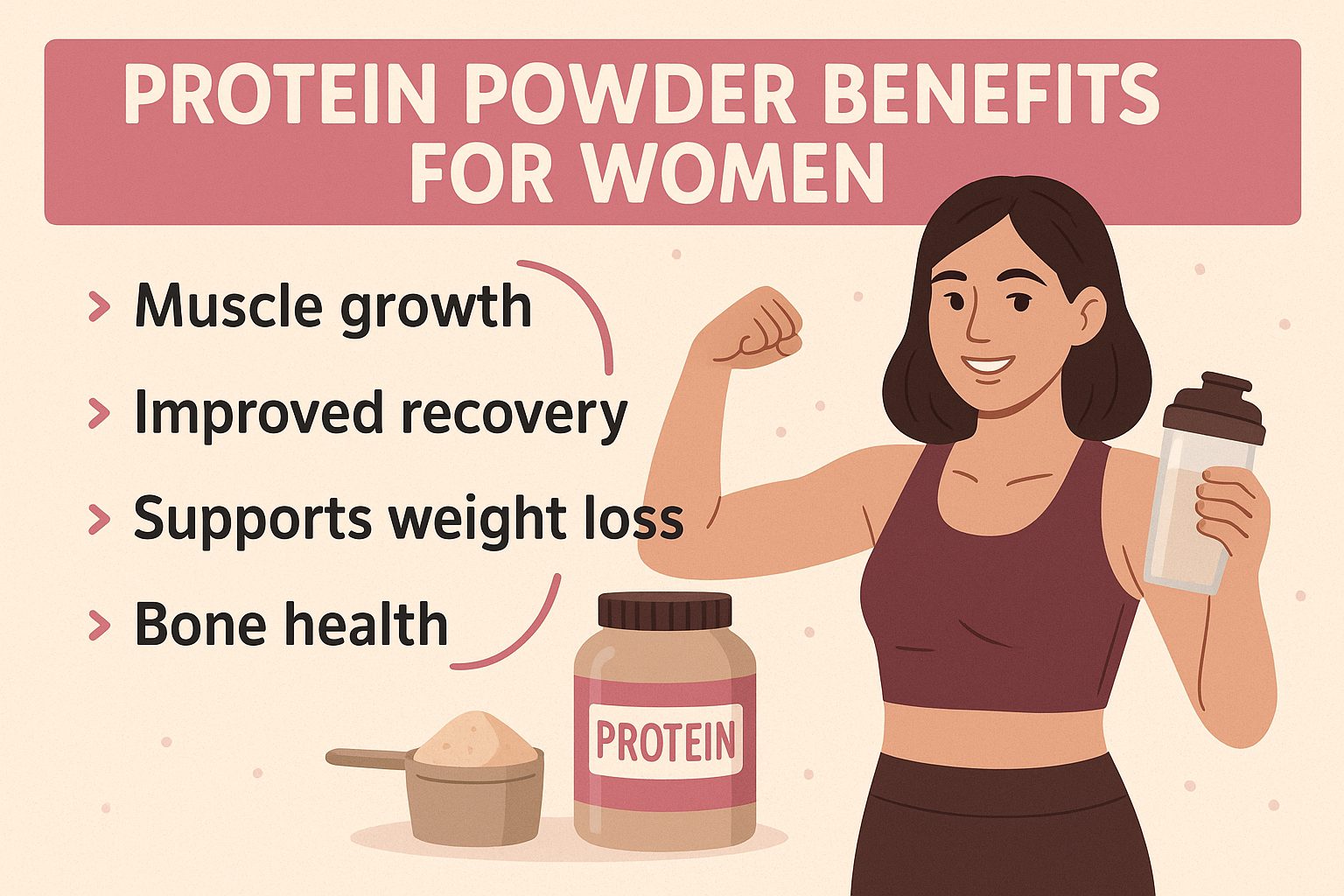
Protein Powder Benefits for Women
7. Hormonal Support
Supports insulin regulation, stress response, and hormone balance.
8. Lean Muscle Toning
Helps shape and strengthen muscles without bulkiness.
9. Bone Health and Weight Management
Protein contributes to stronger bones and assists with fat metabolism.
Protein Powder Benefits for Men
10. Boosting Testosterone Naturally
Indirectly supports testosterone through muscle mass gain and fat reduction.
11. Muscle Mass and Strength Gains
Supports anabolic processes needed for strength development.
12. Supporting Active Lifestyles
Convenient fuel for workouts, sports, or physically demanding jobs.
Improving Athletic Performance
13. Enhanced Strength and Endurance
Protein supports muscle recovery and growth, leading to improved performance.
14. Better Hydration and Recovery
Some powders include electrolytes or help retain hydration post-workout.
15. Ideal Timing and Dosage
Best taken within 30–60 minutes post-exercise for optimal results.
Protein Powders for Vegans and Vegetarians
Plant-Based Options
- Pea, rice, hemp, and soy proteins
- Easily digestible and often hypoallergenic
Digestibility and Allergen-Free Choices
Free from lactose, gluten, and artificial ingredients.
Comparing Plant vs. Whey
While whey digests faster, plant blends can offer similar benefits with added fiber.
Health Benefits Beyond Fitness
16. Immune System Support
Protein helps build antibodies and enzymes critical for immune function.
17. Skin, Hair, and Nail Health
Collagen and amino acids support tissue repair and cellular regeneration.
18. Blood Sugar Regulation
Protein slows glucose absorption, improving insulin sensitivity.
Easy Ways to Incorporate Protein Powder Daily
- Smoothies and Shakes: Quick breakfast or post-workout fuel
- Baking: Add to muffins, pancakes, or energy balls
- Snacks: Stir into yogurt, oats, or coffee
Choosing the Right Protein Powder for Your Goals
Whey vs. Casein vs. Plant
- Whey: Fast absorption, ideal post-workout
- Casein: Slow release, great before bed
- Plant: Best for vegans, sensitive stomachs
Concentrate vs. Isolate vs. Hydrolysate
- Concentrate: More nutrients, less refined
- Isolate: Higher purity, fewer carbs and fats
- Hydrolysate: Pre-digested for rapid absorption
When and How Much Protein to Take
Timing for Maximum Results
- Post-workout is ideal
- Before bed or first thing in the morning also effective
Daily Protein Needs
- Sedentary: 0.8g/kg body weight
- Active: 1.2–2.0g/kg body weight
Safe Limits
Most people can safely consume up to 2.2g/kg body weight without side effects.
Are There Any Side Effects?
Digestive Issues
May include bloating or gas, especially with lactose intolerance.
Kidney and Liver Myths
High-protein diets are safe for healthy individuals. No link to kidney damage in those with normal function.
How to Avoid Problems
- Choose clean-label, tested products
- Start with half a scoop and assess tolerance
Comparing Protein Powder to Whole Food Sources
Pros and Cons
- Pros: Convenience, cost-effective, fast digesting
- Cons: Lacks fiber and full micronutrient profile
Can Protein Powder Replace Meals?
It’s a supplement, not a meal replacement. Combine with whole foods for balanced nutrition.
Popular Brands and Trusted Products
Top Picks in 2025
- Optimum Nutrition Gold Standard Whey
- Dymatize ISO100
- Garden of Life Organic Plant Protein
- Transparent Labs Whey Isolate
- Orgain Vegan Protein
Look for third-party certifications like NSF, Informed-Choice, or USDA Organic.
Myths and Misconceptions About Protein Powder
“It’s Only for Bodybuilders”
False—it’s for anyone needing extra protein.
“Too Much Protein Is Bad”
Only excessive, prolonged overuse may be harmful in specific health conditions.
“Natural Diets Don’t Need Supplements”
True in ideal cases—but many diets fall short in protein, especially for active people.
FAQs About Protein Powder Benefits
1. Can I take protein powder every day?
Yes, it’s safe and often beneficial to supplement daily if needed.
2. What’s the best time to take protein powder?
Post-workout or with meals for muscle support and appetite control.
3. Can protein powder help with weight loss?
Yes—it promotes satiety, preserves lean mass, and supports metabolism.
4. Is protein powder safe for teens or seniors?
Generally yes, but always consult a healthcare provider first.
5. Can I mix protein powder with hot drinks?
Yes—just avoid boiling it directly to preserve nutrients.
Conclusion
From muscle recovery and weight loss to immune health and convenience, the protein powder benefits are too good to ignore. Whether you’re hitting the gym or managing a busy lifestyle, adding the right protein supplement can simplify your nutrition and supercharge your results.
Choose quality, stay consistent, and watch the benefits unfold.