
As Pakistan prepares for Eid ul Azha, authorities have taken strict action to prevent a potential Congo Virus outbreak. In response to recent deaths linked to the Crimean-Congo Hemorrhagic Fever (CCHF), inter-provincial and inter-district livestock transportation has been banned in several regions, including Punjab’s Attock district.
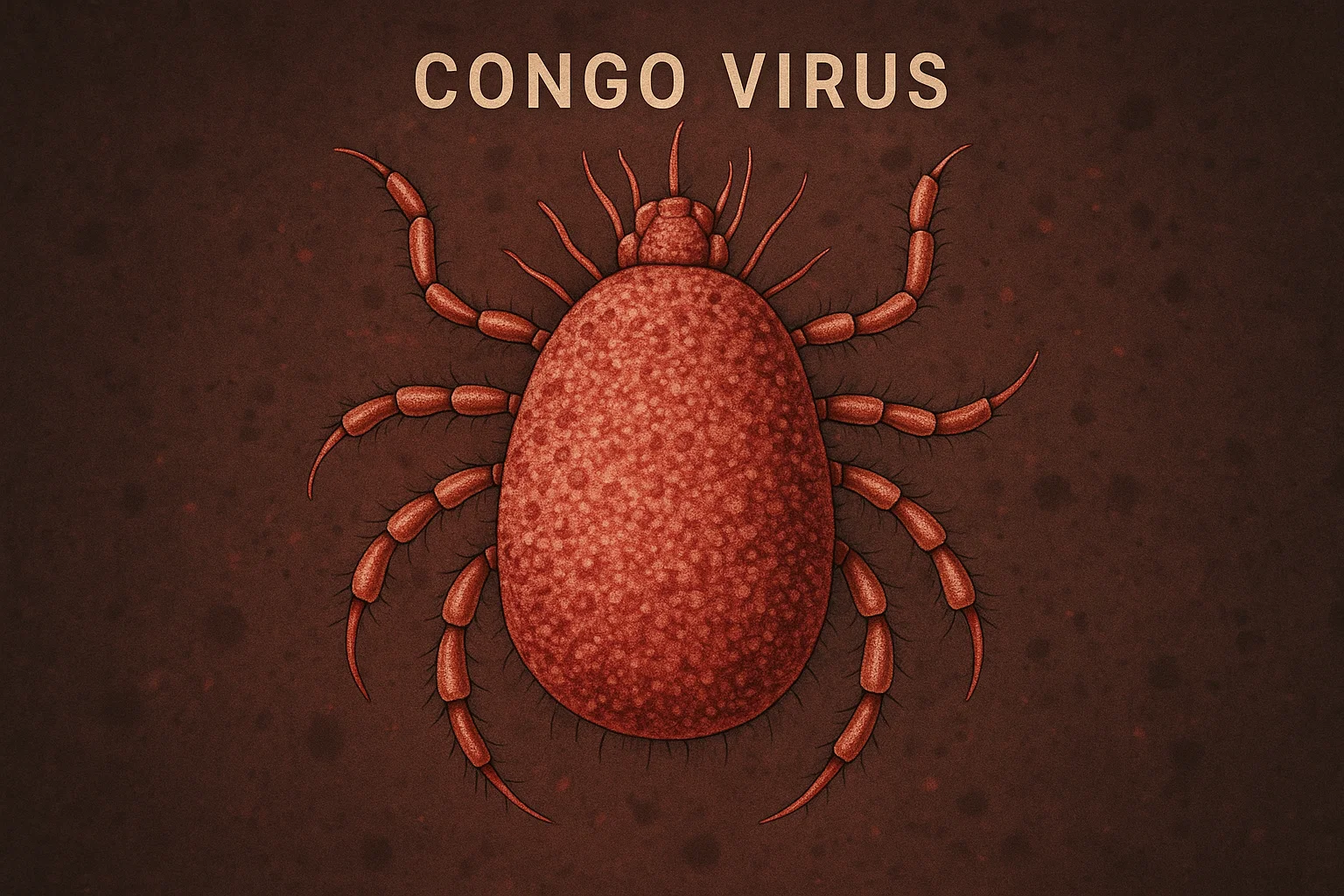
Table of Contents
What is the Congo Virus?
The Congo Virus, or CCHF, is a deadly, tick-borne viral infection that primarily spreads through contact with infected livestock, especially during slaughter. It causes hemorrhagic fever, and its fatality rate can exceed 30%. Early symptoms include:
- High fever
- Muscle pain
- Vomiting
- Internal bleeding in severe cases
There is no specific cure, and prevention is critical.
Why Was the Livestock Ban Imposed?
The decision to ban livestock transportation comes after two deaths in Attock due to Congo Virus. With the approach of Eid ul Azha, there is a surge in animal trade across Pakistan, significantly increasing the risk of a Congo Virus outbreak.
The Punjab government and livestock departments have implemented:
- Section 144 to restrict animal movement.
- Checkpoints at inter-provincial and district borders.
- Mandatory veterinary inspections at cattle markets.
- Anti-tick sprays for animals and vehicles.
According to Dawn News, these emergency measures aim to contain the virus and protect public health.
Veterinary Screening in Full Swing
The Livestock and Dairy Development Department has deployed teams to screen animals in key cattle markets across Rawalpindi and Islamabad starting May 25, 2025. Animals showing weakness or tick infestation will be rejected.
Unfit livestock sellers may face legal action. This move aligns with recommendations from health experts to detect and isolate potential Congo Virus carriers.
Awareness Campaigns for the Public
To ensure public safety, the government has launched widespread campaigns:
- Helplines and pamphlets to educate farmers and butchers.
- Training sessions for slaughterhouse workers.
- Broadcasts on TV and radio to raise awareness about Congo Virus symptoms and prevention.
Farmers are urged to:
- Use tick repellents.
- Isolate sick animals.
- Avoid unnecessary animal transport before Eid.
Learn more about CCHF on the World Health Organization’s page on Crimean-Congo Hemorrhagic Fever.
What Does This Mean for Eid Animal Buyers?
If you’re planning to buy animals this Eid, here’s what you should do:
- Only visit certified animal markets.
- Avoid contact with animals showing signs of ticks or illness.
- Wear gloves and protective clothing when handling livestock.
- Ensure the animal has a health clearance certificate.
A Nationwide Concern
While Punjab is currently the focal point, other provinces like Sindh and Khyber Pakhtunkhwa are also ramping up monitoring efforts. The federal government may expand the livestock transport ban if more cases emerge.
According to health officials, Congo Virus prevention is only possible through joint efforts from the public, veterinary services, and law enforcement.
Conclusion
The ban on livestock transportation due to Congo Virus concerns is a necessary preventive step. As Pakistan heads into Eid ul Azha, caution, hygiene, and awareness are crucial to stop the spread of CCHF. Buyers, sellers, and authorities must work together to protect lives.