
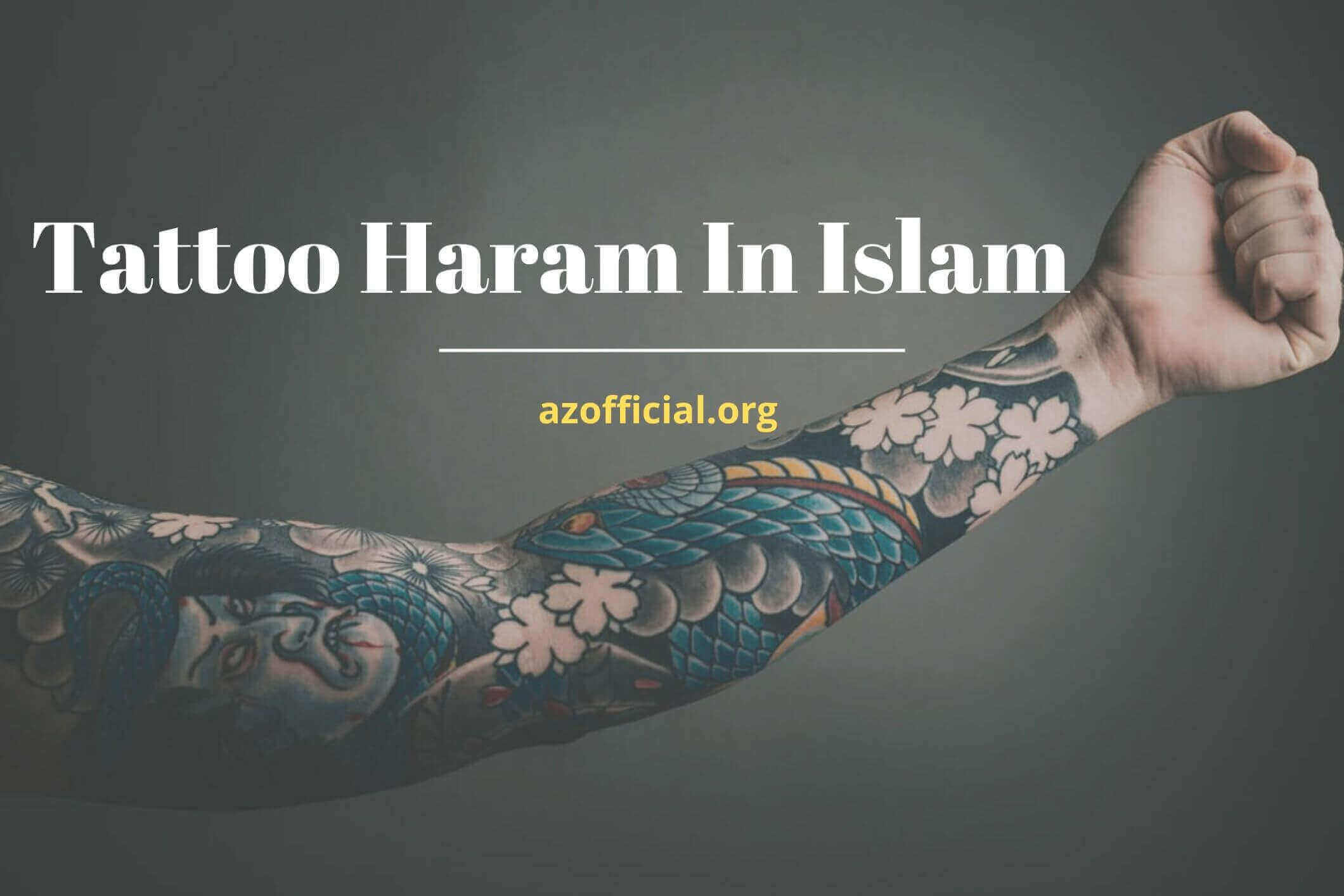
Tattoos have become popular worldwide as a form of self-expression, but many Muslims wonder about the Islamic perspective on getting tattoos. This article explains the ruling on tattoos in Islam in a clear and easy-to-understand way.
Islamic View on Tattoos
In Islam, tattoos are generally considered haram (forbidden). This ruling is based on several reasons:
- Changing the Creation of Allah: Islam teaches that the human body is a trust from Allah and should not be permanently altered without necessity. Tattoos involve injecting ink into the skin, which changes the natural creation.
- Pain and Harm: Getting a tattoo involves pain and sometimes harm to the body, which Islam discourages unless there is a valid reason, like medical treatment.
- Cleanliness and Purity: Tattoos can affect a person’s ability to perform wudu (ablution) properly because water may not reach under the inked skin during washing, which is necessary for prayer.
- Hadith Evidence: There are authentic sayings of Prophet Muhammad (peace be upon him) that mention tattoos negatively. For example, the Prophet cursed those who get tattoos and those who tattoo others.
(Sunan Ibn Majah 1989)
Exceptions and Different Opinions
Some scholars say that if a tattoo is temporary or done for medical reasons (like covering scars), it might be allowed. However, permanent tattoos for decoration or fashion are mostly discouraged or forbidden.
What if Someone Already Has a Tattoo?
If someone already has a tattoo before embracing Islam or before knowing the ruling, there is no sin on them, but they should avoid getting new tattoos. Removing tattoos through safe medical procedures is recommended if possible.
Conclusion
In summary, tattoos are generally not allowed in Islam because they permanently change Allah’s creation and can affect religious practices. Muslims are encouraged to respect their bodies and avoid tattoos.