
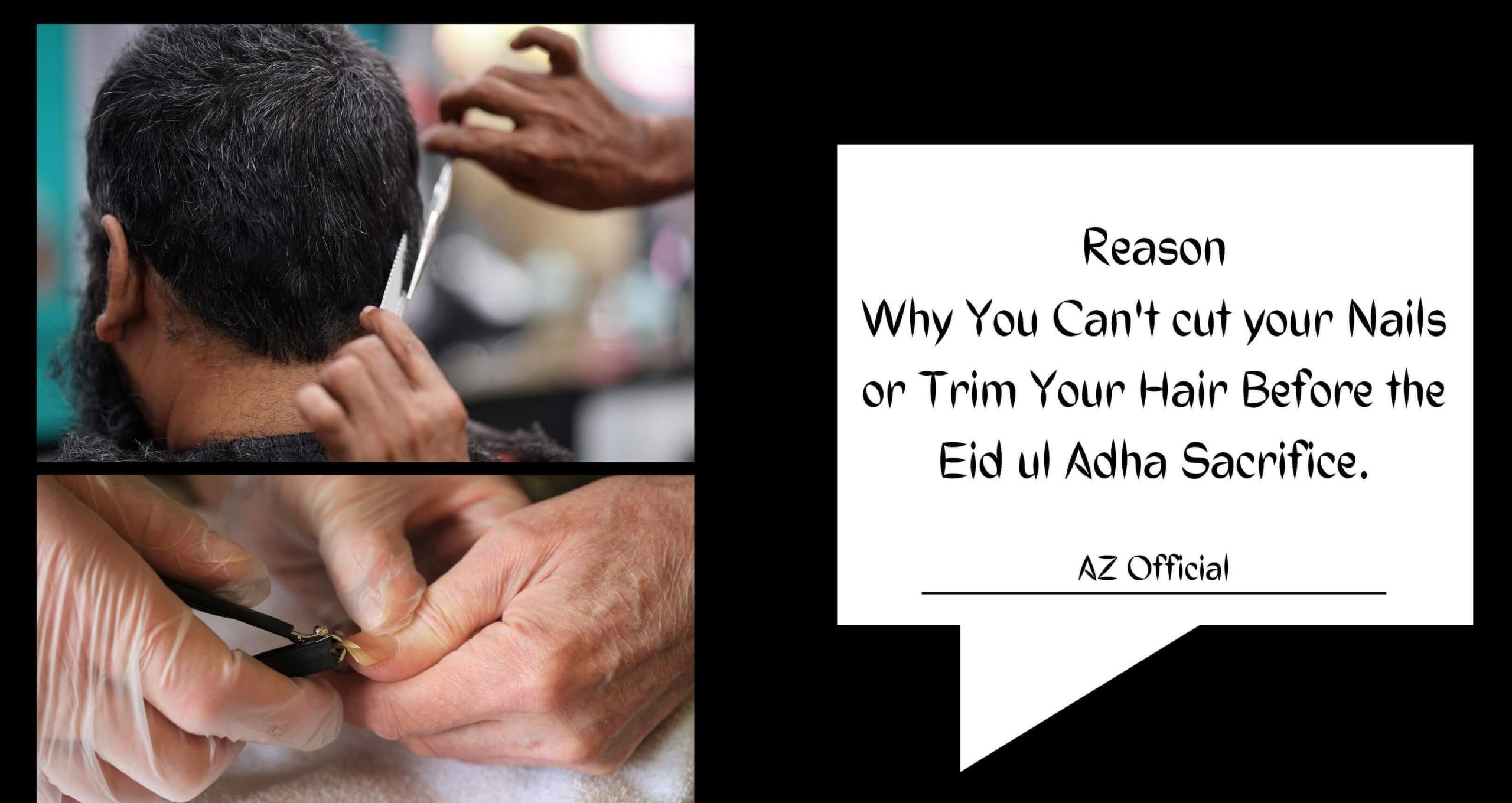
During the first 10 days of Dhu al-Hijjah, Muslims who intend to offer a sacrifice (Qurbani) for Eid ul-Adha are advised not to cut their nails or trim their hair. This practice is based on the authentic teachings of the Prophet Muhammad (PBUH) and is observed by many as a Sunnah.
Should Everyone Avoid Cutting Hair and Nails?
Many people wonder if everyone in the family should avoid trimming hair and nails during this period or just the person offering the sacrifice.
The answer is that this ruling applies only to the individual who will perform the sacrifice. For example, if there are five people in a family but only one is responsible for the Qurbani, only that person should avoid cutting nails and hair. The rest of the family members may trim as usual.
What If You Accidentally Cut Your Hair or Nails?
If a person accidentally cuts their hair or nails during the first ten days of Dhu al-Hijjah, they should sincerely seek forgiveness from Allah and resolve not to repeat the mistake. There is no penalty or compensation required beyond asking Allah for forgiveness.
The Hadith on Hair and Nail Trimming
The Prophet Muhammad (PBUH) said:
“When the new moon of Dhu al-Hijjah appears and one of you intends to offer a sacrifice, he should keep his hair and nails and not cut them.”
— Sahih Muslim, Book 13, Hadith 2452
While the Prophet (PBUH) did not explicitly explain the wisdom behind this, scholars interpret it as part of the spiritual preparation and devotion related to the sacrifice.
In another hadith, he emphasized the same point:
“If you have an animal to sacrifice, you should not cut your hair or trim your nails until you have done so.”
— Sahih Muslim
Conclusion
As Muslims, following the Sunnah of Prophet Muhammad (PBUH) is a way to show devotion and respect for important religious rituals. If you plan to perform Qurbani during Eid ul-Adha, remember to avoid trimming your nails and hair during the first ten days of Dhu al-Hijjah until the sacrifice is completed.