What Is a Honey Pack and Why Is It So Popular?
In recent years, the Honey Pack has gained major attention, especially among men looking for a natural way to enhance their bedroom performance. Touted as a quick fix for low energy, stamina, and libido, this small golden sachet is being passed around in gyms, barbershops, and group chats like a secret weapon.
But what’s actually inside a Honey Pack? Does it really work, and more importantly — is it safe?
Let’s break it down.
Table of Contents
What Is a Honey Pack?
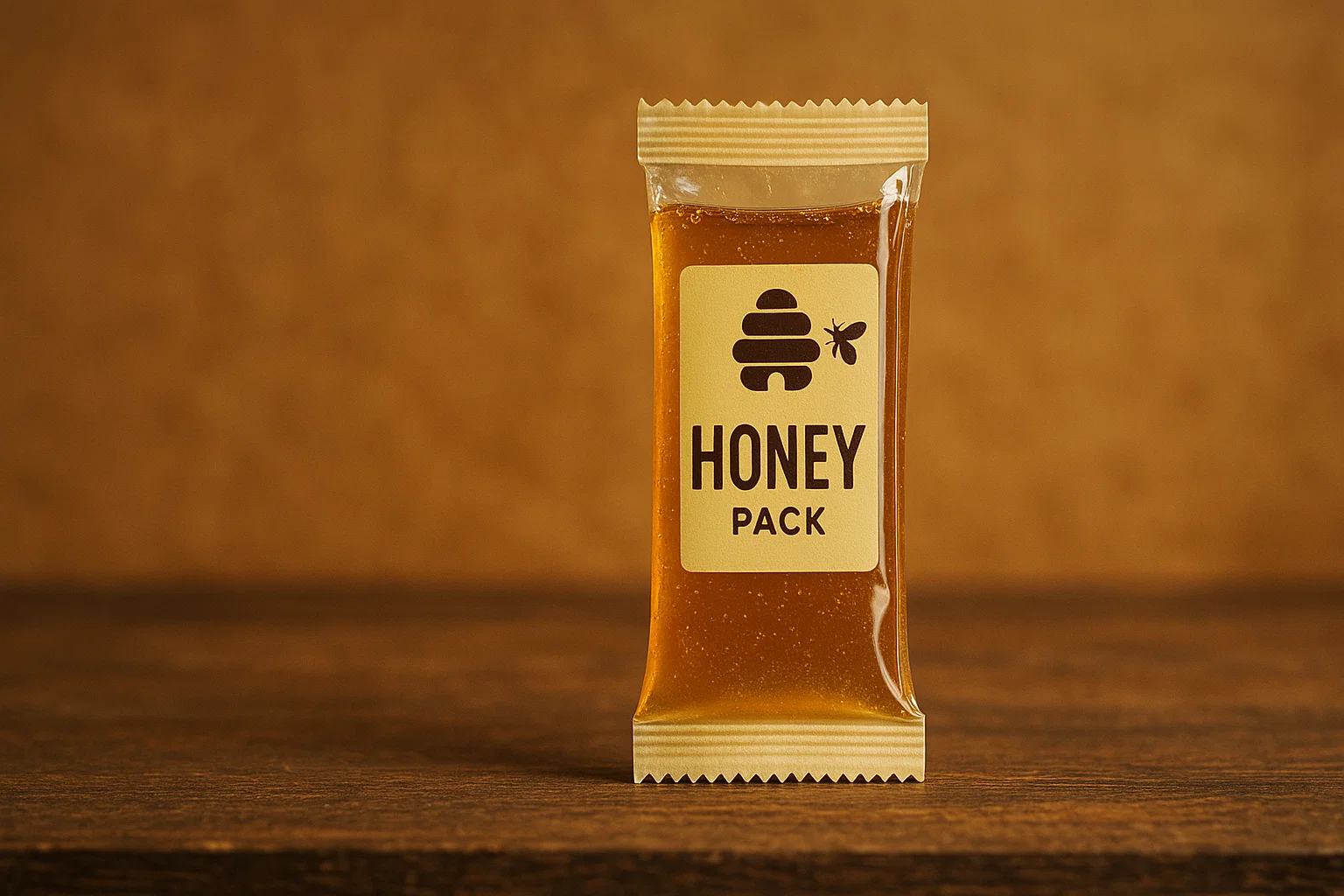
A Honey Pack is typically a single-serving sachet of honey mixed with herbal ingredients and amino acids — marketed as a male enhancement supplement. Though the packaging may look like regular honey, these packs are often infused with natural ingredients intended to:
- Boost libido
- Increase blood flow
- Improve stamina
- Enhance erectile strength
They’re small, portable, and often consumed 30 to 60 minutes before sexual activity.
Note: These products are not FDA-approved and their ingredients can vary by brand.
Common Ingredients Found in Honey Packs
Though formulas differ, many brands include some combination of the following:
- Tongkat Ali – A herb traditionally used to support testosterone levels Source – WebMD: Tongkat Ali
- Ginseng – Known for improving energy and blood circulation Source – Mayo Clinic: Ginseng benefits
- L-Arginine – An amino acid that may help with blood flow and vascular health NIH: L-Arginine for Erectile Dysfunction
- Maca Root – Used traditionally to boost libido and fertility Cleveland Clinic: Maca Root overview
- Raw Honey – Provides quick energy and acts as a delivery base
Some products may also contain Yohimbe, a stimulant that can increase blood pressure and anxiety in some people. Always check the label.
How Does the Honey Pack Work?
The combination of herbal stimulants and vasodilators (like L-arginine) aims to improve blood flow and stimulate arousal. Some users report increased stamina, firmer erections, and heightened sensitivity.
Effects usually begin within 30–60 minutes and can last for several hours. Some even claim residual benefits the next day, although evidence remains anecdotal.
Is It Safe?
While marketed as “natural,” Honey Packs are unregulated supplements — which means:
- Ingredient lists can be incomplete or misleading
- Some may contain hidden pharmaceutical drugs like sildenafil (Viagra’s active ingredient)
- They can interact with medications or cause side effects like headaches, heart palpitations, or dizziness
In fact, the FDA has issued warnings against certain brands of sexual enhancement honeys that contain undeclared ingredients.
If you have a heart condition, high blood pressure, or are taking medication, using these products without medical supervision is risky.
Why Are Honey Packs Trending?
Honey Packs appeal to users for a few reasons:
- They look discreet and harmless
- They’re often labeled as natural
- There’s a growing demand for non-prescription sexual health products
- Word-of-mouth and social media hype
But the rise in popularity doesn’t always mean safety or effectiveness. Anecdotal success varies, and long-term effects are still unknown.
Are There Natural Alternatives?
For those wary of unregulated products, there are safer, evidence-backed ways to improve sexual performance:
- Exercise regularly – improves circulation and hormone balance
- Reduce stress and anxiety – mental health affects arousal
- Eat a balanced diet – especially heart-healthy foods
- Sleep well – low sleep reduces testosterone
- Talk to a doctor – especially if symptoms are persistent
Final Thoughts
The Honey Pack might sound like a quick fix, and for some people, it offers a noticeable boost. But like many unregulated supplements, it comes with risks that shouldn’t be ignored. While some ingredients may have benefits, the lack of transparency and potential for hidden pharmaceuticals is a serious concern.
Understanding what you’re putting into your body — especially for something as important as sexual health — is essential. When in doubt, consult a healthcare professional before trying products like this, no matter how “natural” the label claims to be.