The Spiritual and Physical Benefits of Fasting During Dhul-Hijjah
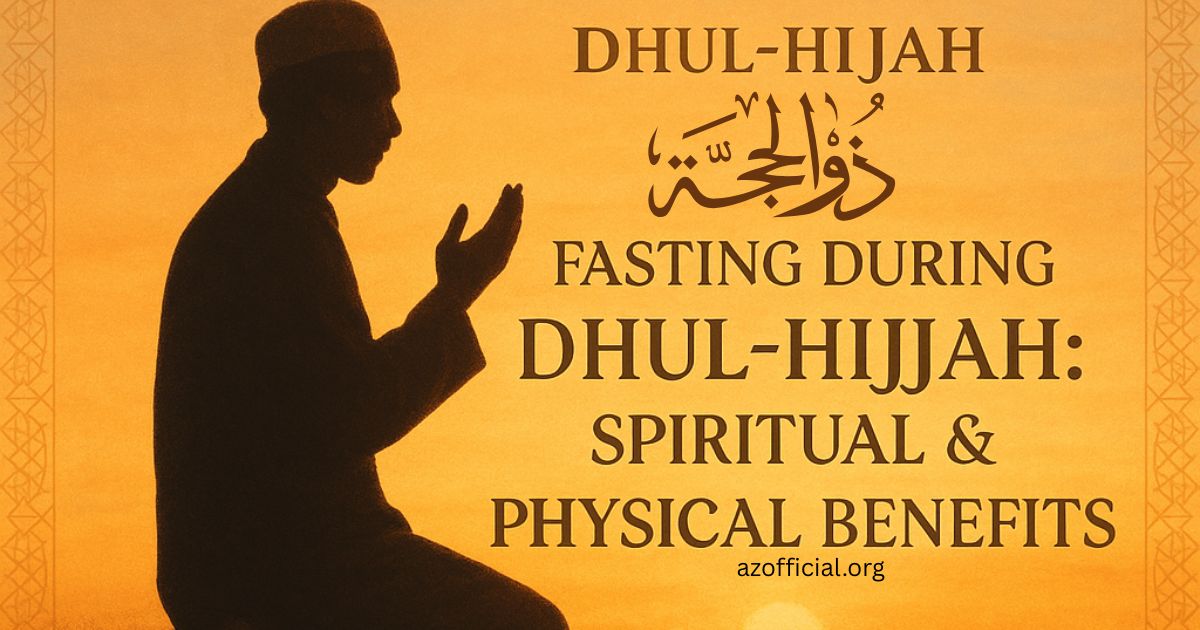
Dhul-Hijjah, the 12th and final month of the Islamic calendar, holds deep spiritual significance, especially the first ten days. Among its many acts of worship, fasting during Dhul-Hijjah is one of the most rewarding. It not only brings immense spiritual benefits but also offers several physical health advantages.
We’ll explore both the spiritual benefits and the physical benefits of fasting during Dhul-Hijjah. This will help you make the most of this blessed time.
Table of Contents
What Is Dhul-Hijjah?
Dhul-Hijjah is the month of Hajj (pilgrimage) and includes the day of Arafah (9th Dhul-Hijjah) and Eid al-Adha (10th Dhul-Hijjah). The first 10 days of the Islamic calendar are considered the best days of the year, even more virtuous than the last 10 days of Ramadan.
Prophet Muhammad ﷺ said:
“There are no days on which righteous deeds are more beloved to Allah than these ten days.”
(Bukhari)
Spiritual Benefits of Fasting in Dhul-Hijjah
1. Following the Sunnah
The Prophet Muhammad ﷺ encouraged fasting during the first nine days of Dhul-Hijjah, especially on the Day of Arafah.
He ﷺ said about fasting on Arafah:
“It expiates the sins of the previous year and the coming year.”
(Muslim)
Fasting is a direct act of devotion and submission to Allah, making it one of the highest forms of worship.
2. Boosts Taqwa (God-Consciousness)
Fasting increases mindfulness of Allah. When we control our physical desires for His sake, our spiritual awareness deepens, and we draw closer to our Creator.
3. Forgiveness and Mercy
The days of Dhul-Hijjah are days of repentance and forgiveness. Fasting shows sincerity, and coupled with prayer and dhikr (remembrance), it’s a powerful means to earn Allah’s mercy.
4. Maximizes Rewards
Since good deeds are multiplied in these days, fasting—already a highly rewarded act—brings even greater barakah (blessing) during Dhul-Hijjah.
Physical Benefits of Fasting During Dhul-Hijjah
While the spiritual benefits are primary, fasting also offers numerous scientific health benefits, proven by modern research.
1. Improves Digestion and Detoxifies the Body
Fasting gives your digestive system a break, allowing it to repair and rejuvenate. It helps in detoxification, flushing out harmful toxins, and promoting better organ function.
2. Promotes Weight Loss and Metabolism Control
Fasting can help regulate your metabolism and burn fat more effectively. It also improves insulin sensitivity, reducing the risk of type 2 diabetes.
3. Boosts Brain Function
Regular fasting has been shown to support neuroplasticity, helping the brain stay sharp, focused, and more resistant to age-related decline.
4. Strengthens Discipline and Self-Control
The physical restraint practiced while fasting builds mental strength. It helps in overcoming cravings, controlling impulses, and developing long-term discipline in both diet and behavior.
When Should You Fast During Dhul-Hijjah?
- Days to Fast: The first 9 days of Dhul-Hijjah (especially the Day of Arafah, the 9th day)
- Note: It is haram (forbidden) to fast on the 10th of Dhul-Hijjah, which is Eid al-Adha.
Tips for a Productive Fast During Dhul-Hijjah
- Make intention (niyyah) before Fajr.
- Eat a wholesome suhoor (pre-dawn meal) with complex carbs and hydration.
- Break your fast mindfully with dates, water, and nutritious meals.
- Increase du’a, dhikr, and recitation of Qur’an throughout the day.
- Set a goal for these 10 days—whether it’s extra prayers, charity, or learning.
Final Thoughts
Fasting during Dhul-Hijjah is more than a spiritual exercise—it’s a gift from Allah with lasting benefits for both body and soul. Whether you’re preparing for Hajj or observing these blessed days at home, fasting is a powerful way to maximize your rewards and purify your heart.